


The rise of AI in sports
Artificial intelligence (AI) is rapidly transforming the sports industry, from the way athletes train and compete to the way fans experience the game. Here are some of the ways AI is being used in sports today:
- Player performance analysis: AI can be used to analyze vast amounts of data about players, such as their movements, statistics, and health data. This data can be used to identify strengths and weaknesses, develop training programs, and prevent injuries. (Source: How AI is Transforming the Sports Industry in 2023?: https://imaginovation.net/blog/ai-in-sports-industry/)
- Injury prevention: AI can be used to track player movements and identify potential risks of injury. This data can be used to create personalized training programs and interventions to help prevent injuries. (Source: How is Artificial Intelligence used in the Sports industry? Applications & Use cases | ByteAnt: https://www.byteant.com/blog/how-is-artificial-intelligence-used-in-the-sports-industry-applications-use-cases/)
- Opponent analysis: AI can be used to analyze opponent data, such as their playing style, strengths, and weaknesses. This data can be used to develop strategies and tactics to gain a competitive edge. (Source: AI in Sports: Applications and Use Cases: https://appinventiv.com/blog/ai-in-sports/)
- Fan engagement: AI can be used to create personalized experiences for fans, such as providing recommendations for content, products, and events. AI can also be used to automate tasks, such as customer service and ticket sales.
- Game broadcasting: AI can be used to enhance game broadcasts with real-time data, such as player stats, tracking data, and augmented reality. This can help fans better understand the game and make more informed decisions.
The Future of AI in Sports
The future of AI in sports is bright. As AI technology continues to develop, we can expect to see even more innovative applications in the years to come. Some of the potential future applications of AI in sports include:
- Virtual reality (VR) and augmented reality (AR): VR and AR can be used to create immersive experiences for fans and athletes. For example, VR could be used to allow fans to experience a game from the perspective of a player, while AR could be used to provide athletes with real-time data about their opponents and the environment. (Source: How AI is Transforming the Sports Industry in 2023?: https://imaginovation.net/blog/ai-in-sports-industry/)
- Robotic referees: Robotic referees could be used to make more accurate and consistent calls in sports. For example, robotic referees could be used to detect offsides in football or balls and strikes in baseball.
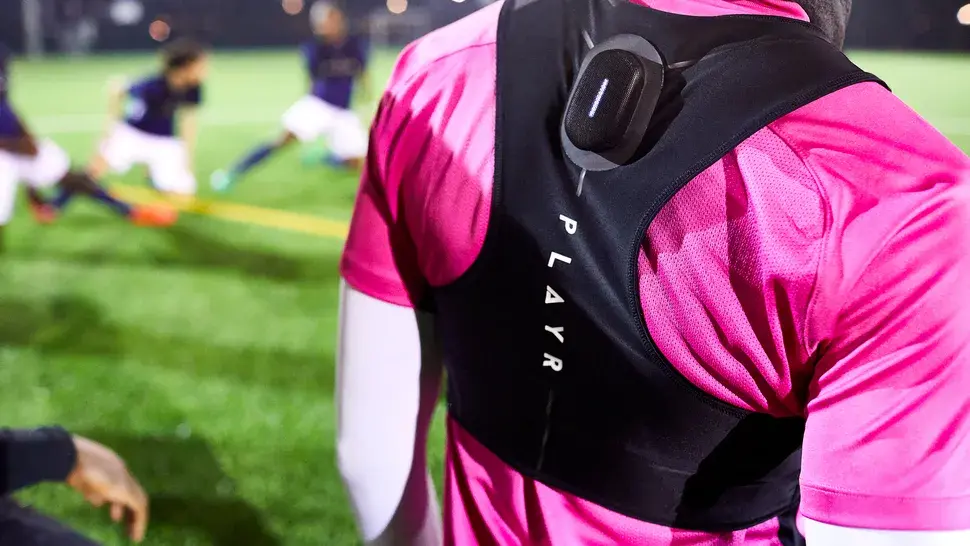
- Wearable devices: Wearable devices can be used to collect data on athletes' movements, heart rate, and other biometric data. This data can be used to monitor athletes' health, identify potential risks of injury, and optimize training programs.
Of course, there are also some potential challenges associated with the use of AI in sports. For example, there are concerns about the fairness of using AI to make decisions, and about the potential for AI to be used to cheat.
Overall, the future of AI in sports is very promising. AI has the potential to revolutionize the way we play, watch, and experience sports. We can only imagine what the future holds.
I hope this blog post gives you a good introduction to AI in sports. If you have any questions, please feel free to ask.
Sources:
How AI is Transforming the Sports Industry in 2023?: https://imaginovation.net/blog/ai-in-sports-industry/
How is Artificial Intelligence used in the Sports industry? Applications & Use cases | ByteAnt: https://www.byteant.com/blog/how-is-artificial-intelligence-used-in-the-sports-industry-applications-use-cases/
AI in Sports: Applications and Use Cases: https://appinventiv.com/blog/ai-in-sports/
The rise of AI in sports
This article was posted by Jonas Bogaert on 07/09/2023 in:
About Jonas Bogaert
I'm a sports enthusiast with a special interest in fan experience, digital marketing, data and design. Follow me on Twitter @JonasBogaert.
Contact me