


Camp Nou and Naming Rights
Edit: I added the latest developments under a new paragraph with 'Edit March 2022' as title
As it was announced that FC Barcelona would sell their stadium naming rights in the fight against COVID-19 this news brought several reactions from people seeing the same pattern coming back again as from their club shirt. In 2006 the Spanish club put UNICEF on the front of their shirt - for the first time ever. 5 years later, UNICEF was moved to the back and the front was sold to a sponsor: Qatar Foundation, which changed to Qatar Airways two years later. Currently (in 2020), Japanese ecommerce gigant Rakuten is the shirt sponsor paying €55 million per year.
So with the shirt story in mind, people were saying that they made this stadium naming rights move so it would be easier to swallow for the fans and to prepare them for the switch. But is this true? Well, it has been talked about for years now and is linked with their new stadium project.
I will list some history of Camp Nou and the redevelopment plans and the topic of stadium naming rights.
- Before their current home, FC Barcelona owned two other stadiums: Camp de la Indústria which could host about 6000 fans and was used between 1909 and 1922 and then Camp de Les Corts until 1957 when Barcelona moved to Camp Nou. Before the Camp de la Indústria, FC Barcelona played for years on borrowed or rented football grounds. Camp Nou was inaugurated in 1957 with a capacity of about 93,000 and translates from Catalan as ‘New Stadium’ or ‘New Ground’.
- In fact, the stadium was known back then as Estadi del FC Barcelona which was endorsed by a referendum in 1965. However, the name never really caught on and people just referred to it as Camp Nou - New Ground. During the 2000-2001 season, the club members voted again and most of them were in favour of making Camp Nou the official name. Before the referendum, the stadium was both referred to as ‘Camp Nou’ or ‘Nou Camp’ which was both technically correct, but as of 2001 and the referendum the official name is Camp Nou.
- In 1982, the stadium was enlarged and renovated to host games during the World Cup. A third ring was constructed and the stadium capacity was enlarged to 115,000. 12 years later in 1994, the first ring of tiers was enlarged and standing places in the upper tribunes were transformed into seats. Camp Nou is the largest stadium in Europe containing more than 99,000 seats. Take a look here at the average attendance figures for FC Barcelona: http://www.european-football-statistics.co.uk/attn.htm; during the 2018-2019 season this was 75,600 with the highest attendance 93,265 against, you guessed it Real Madrid.
- In 2007, it was announced that Foster + Partners had been selected to remodel Camp Nou. The stadium would have been enlarged to 106,000 with new hospitality and public areas. Especially the coloured mosaic outer skin stood out in the design. The project cost was budgeted at €250 million. However, due to the financial crisis and internal struggles the project was halted.
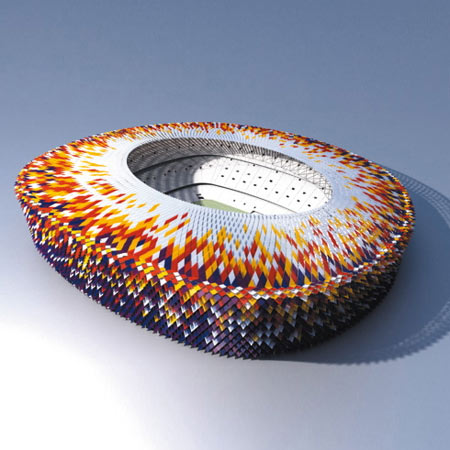
© Foster + Partners
- In 2013, the Board of Directors were studying options to build a new stadium or remodel Camp Nou. Asked about the possibility of selling the stadium name rights it was described that adding an additional name to the stadium would be the preferable option, thus keeping the name Camp Nou and adding a ‘last name’. It was also stressed that club members would have their say and that the price of the season ticket back then was seen as a more important issue than the stadium naming rights.
- Some weeks later - beginning 2014 - Barcelona presented their stadium plans which was a redevelopment as moving away wasn’t feasible. It was again repeated that the stadium would keep the Camp Nou name but they added that naming rights could be sold. In April that year 72.36% of Barcelona’s members voted in favour of the 'Nou Espai Barça’ project and the overhaul of the club’s facilities. A year later, 14 teams in total were announced in the running for the New Camp Nou (8 teams) and the New Palau Blaugrana (6 teams) projects.
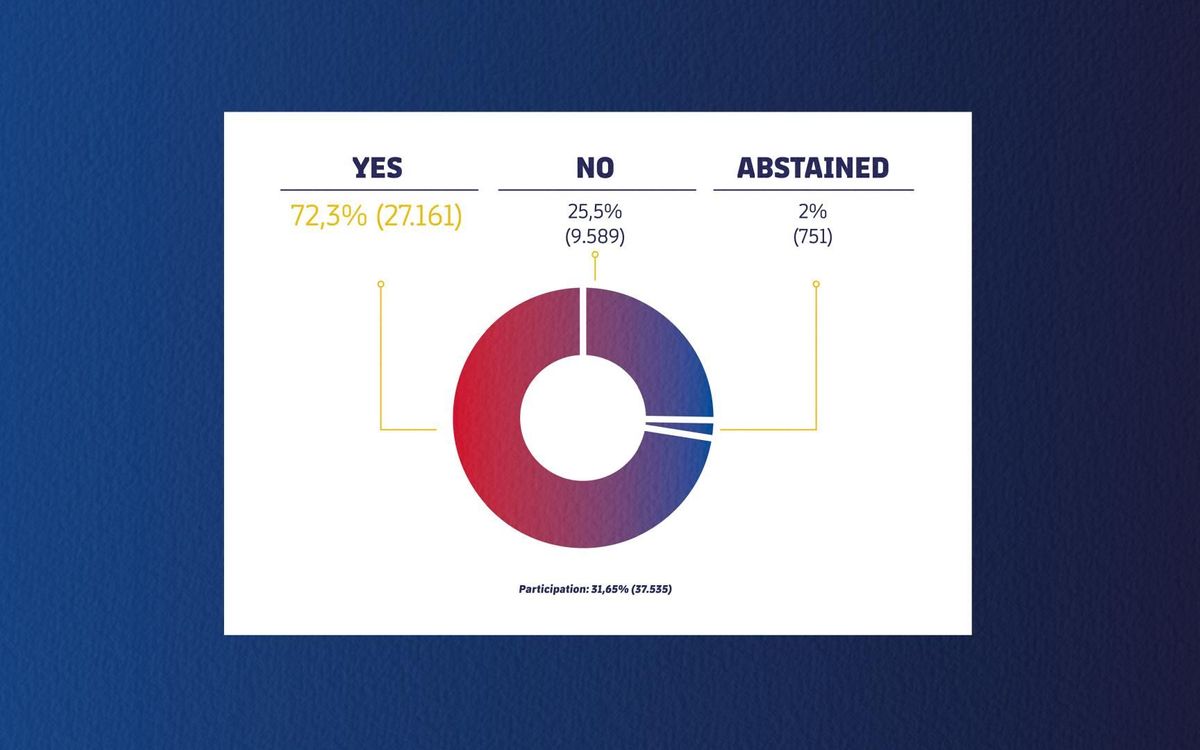
© FC Barcelona
- In February 2015 there were stories that Qatar Airways could be incorporated in the stadium name and later that year these stories surfaced again saying that Qatar Airways could be a stadium naming rights sponsor. However, this was a sensitive issue for the club’s members as they wanted the club to drop the sponsor. Also in 2015, FC Barcelona selected US company Van Wagner Sports and Entertainment to secure a lucrative new sponsorship deal for the Camp Nou. During the TheStadiumBusiness Design & Development Summit in October 2015, Espai Barça Project Director William T. Mannarelli discussed more about the plans and gave also a breakdown of how the €600 million project would be funded: €200 million coming from title or naming rights, €200 million coming from bank debt and €200 million coming from internal financing.
- In March 2016, the Spanish club announced that the Espai Barça jury unanimously selected the bid by Nikken Sekkei + Pascual i Ausió Arquitectes as the winner of the tender for the design of the new Camp Nou. The design was praised for being open, elegant, serene, timeless Mediterranean and democratic. The planning at the time was to start in 2017 and the project to be completed by 2021. In December 2017 the role of Pascual i Ausió Arquitectes ended and Architects b720 Fermín Vázquez came in.
- In 2017, the stadium naming rights were again being discussed as they were looking for funding before work started on the new stadium. The club imagined then to reach a deal in 2018. It was again mentioned that Camp Nou would be getting a 'surname'.
- A year later - in April 2018 - FC Barcelona announced that they reached an agreement with the local government for work to begin on the Espai Barça project. After a lot of planning and assessing the financial situation, the club officially announced the project on 20th October 2018.
🔵🔴 ESPAI BARÇA
— FC Barcelona (from 🏠) (@FCBarcelona) October 20, 2018
Where dreams are bigger pic.twitter.com/0uMq9VS8fq
- Also that year, FC Barcelona president Josep Maria Bartomeu said that a naming rights partner would probably bring in half of the investment for Espai Barça. In July 2018, Spanish sports paper Mundo Deportivo reported that the club had two possibilities: one from a US company and another from the Asian market. It was also said that the club "is not considering any proposal that does not exceed €200 million.” There were also reports on advanced talks with Catalan pharmaceuticals company Grifols and that a €300 million bid for the venue’s naming rights by sports rights holder Mediapro was rejected.
- In 2019, it was again reported that FC Barcelona were looking for a stadium naming rights sponsor to add to the Camp Nou name and that the club wanted to install the new Camp Nou naming partner by 2024. As an update on the stadium project, FC Barcelona said that work would start in the summer of 2020 and take four years to complete while the overall cost of the project increased to 685 million euros. There were links with Rakuten - their shirt sponsor - for a €300 million, 20-year naming rights deal of Camp Nou, but it was said that FC Barcelona would prefer their shirt sponsor and stadium sponsor not to be the same. It was also announced that the club had put negotiations over the naming rights of the new stadium on hold until it has been completed because they believed they could attract a better deal then.
- Beginning 2020 the club received approval of the urban projects and the redesign of land which allowed work on the zone around the Joan XXIII avenue. The club hopes to minimise possible delays due to the coronavirus.
- In April 2020, FC Barcelona said that they would hand over Camp Nou title rights to the Foundation and that through the Commercial Area, they would begin the process of finding a sponsor who wishes to acquire the title rights to Camp Nou to raise money for the fight against Covid-19. They said that ‘ceding of the rights for a season is compatible with the future commercial use of the title rights for Camp Nou to finance the Espai Barça project, as approved by the members in the 2014 referendum.’
More info on the Espai Barça project: https://espaibarca.fcbarcelona.com/en/
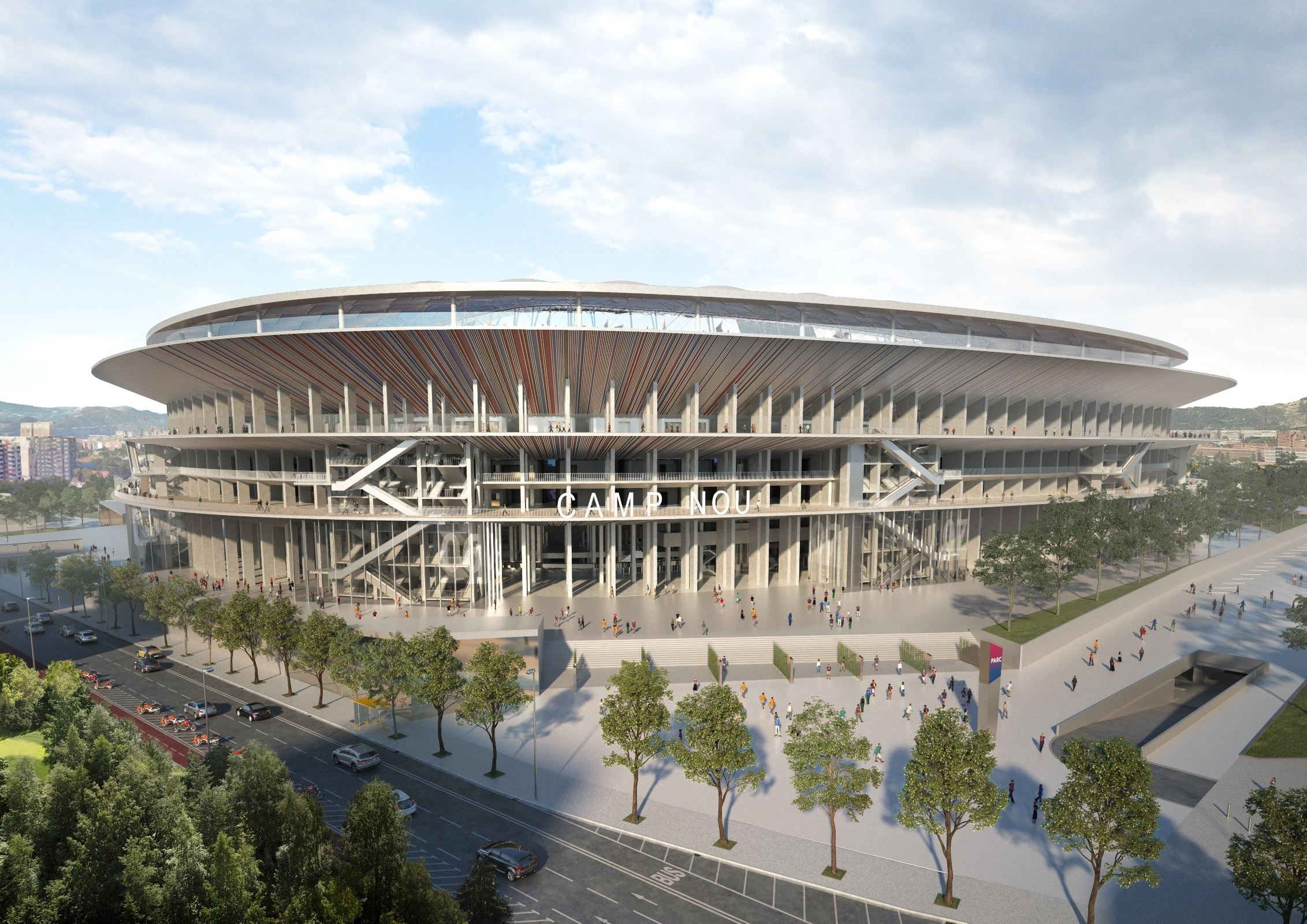
Naming Rights
Naming rights were more prominent in the United States, in his book ‘What Money Can't Buy: The Moral Limits of Markets’ Author Michael Sandel wrote that in 1988 “only three sports stadiums had naming rights deals, totalling a mere $25 million. By 2004 ‘there were sixty-six deals worth a total of $3.6 billion and this accounted for half of all the arenas and stadiums in professional baseball, football, basketball and hockey.”
As we read in a magazine issue from World Trademark Review some years ago, the market for sponsorship froze between 2008 and 2010, but economic recovery and the call for new revenue revived the idea of selling naming rights and a predominantly US market went global. They wrote that “a company may choose to invest in its brand through naming rights in order to increase exposure and brand awareness, but the global explosion of naming rights is being driven by the desire of teams and stadium owners to increase revenue streams.”
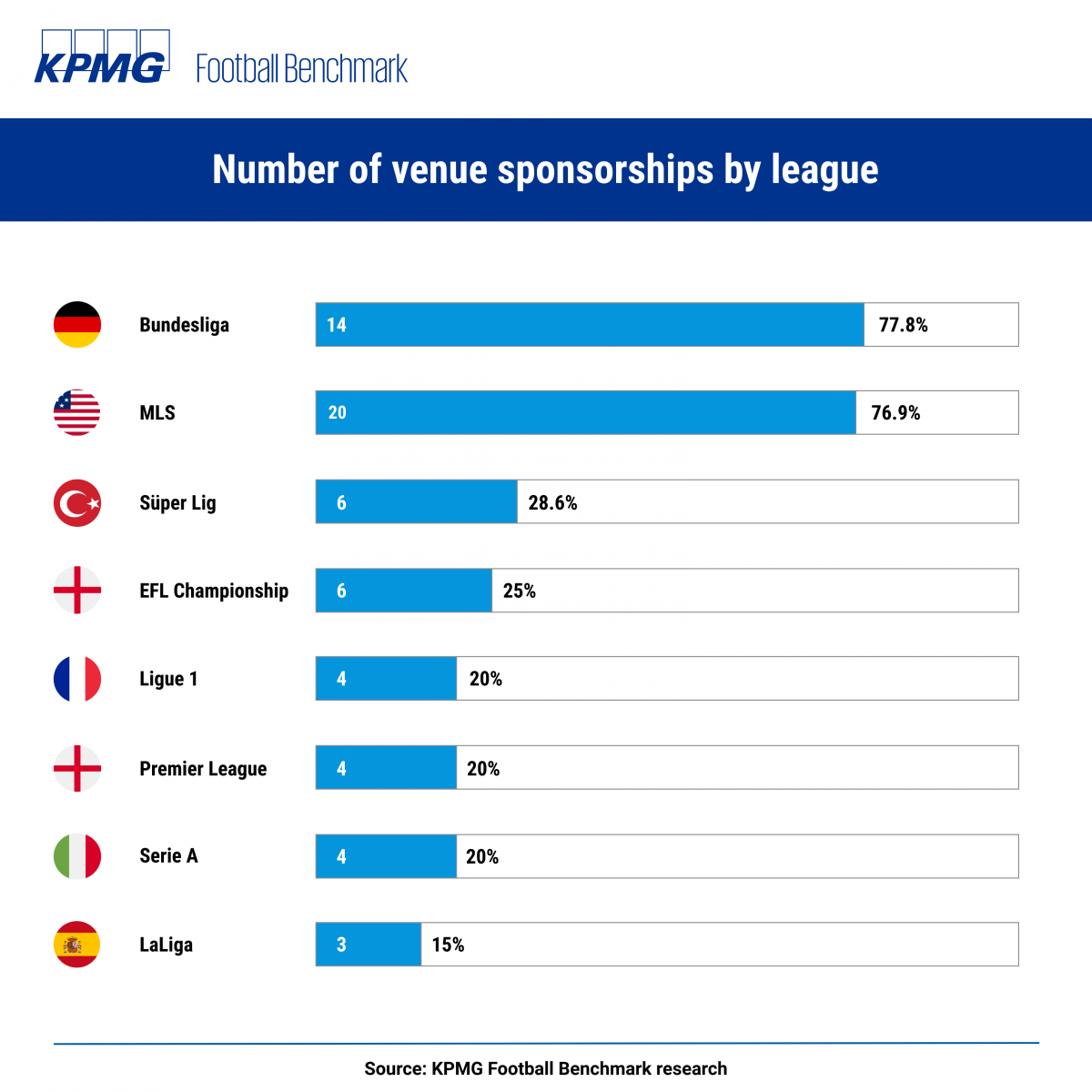
According to a study by US-based consulting firm Duff & Phelps, out of the 98 teams in Europe’s top five leagues (the Premier League, LaLiga, Bundesliga, Serie A and Ligue 1), only 27% have stadium naming rights deals with LaLiga having the lowest number of sponsored stadiums at 5%. They found both Real Madrid and FC Barcelona having the most valued stadium naming rights estimated at €36.50 million per season.
KPMG analysed the European market and saw that from all 98 clubs in European football's top five leagues only 30% of them have stadium naming rights partners. The German Bundesliga is an exception as 78% of the stadiums are sponsored.
Edit March 2022
I wrote this article in May 2020, almost two years later a lot happened (the overall situation from FC Barcelona, think everyone followed that) and we have an actual naming partner for Camp Nou, one we all know. In this section I will give an update on the stadium development from where I left (April 2020) and link it with the stadium rights again (and the name at the end).
- In August 2020 Vice-President Jordi Moix described the complex circumstances surrounding the new stadium development: 1) change in local government 2) the coronavirus; because of this situation works would be delayed and the inauguration would be set for 2025. Additionally, it was to see how the situation would develop - massive effects on matchday revenue because of no fans allowed. It was also mentioned that the project's price rose from €600 to €800 million between 2017 and 2020.
- Some months later, in October 2020, the club announced a financing deal with Goldman Sachs, ensuring that the cost of the stadium will not interfere with the daily running of the club. "We agreed a scheme where Goldman has the right to be paid as a guarantee for the repayment on those revenues year-by-year." Jordi Moix said that thanks to the new stadium an additional €150 million revenue/year would be generated: €50 million from extra ticket sales and increased food and drink income, €50 million because of the increasing number of corporate boxes (from 30 to 100) and €50 million from the naming rights and other sponsors and extra commercial spaces.
- As Bartomeu announced his resignation on 27 October 2020 we saw some special announcements by Presidential candidates. Agusti Benedito suggested to build a new stadium altogether, knocking Camp Nou down. The plan would cost an estimated €900 million euros and would be paid over a span of 25 years. Emili Rousaud on the other hand promosed to hold a referendum to change the name of the stadium to Camp Nou - Leo Messi.
- In April 2021 FC Barcelona revised the Espai Barça plans stating the original plans were outdated. 7 main changes were drawn up, for instance: 30,000 m² of solar panels on the roof, more electric car parking spaces, an improved security and vehicle access control system and a double VIP ring between the second and third stand. As for the actual works, it was enviosend they could start in the summer of 2022 and be finished in 2025. The total investment for the Espai Barça was estimated at €1.5 billion, €900 million for the Future Camp Nou. It should be financed with additional income generated by the Espai Barça which was estimated at €200 million/year with the following break down: 15% meeting & events, 22% ticketing & catering, 15% museum & visit, 24% hospitality and 24% partnerships & naming rights.
- In September 2021 it became clear that Rakuten (and also Beko) would stop with their respective partnerships. It was again mentioned/rumoured that the club was looking for naming rights for the new stadium.
- The rumours were made more concrete some months later in December 2021, Laporta (who was elected president again) said on TV3 that they had at least five bids for the naming rights of the stadium. He also said that they would want to get between €30-40 million per season and that those conctracts usually last for 10 to 15 years. As for the Espai Barça project, Barcelona members gave the green light that month to the €1.5 billion revamp. 40% of the worldwide membership voted with 42,693 backing the plans.
🔵🔴 BARÇA REFERENDUM
— FC Barcelona (@FCBarcelona) December 19, 2021
This is Espai Barça, approved today by FC Barcelona's members. Thank you, Culers! pic.twitter.com/uF3xlG5wuG
- End of January 2022 Catalunya Ràdio revealed that Spotify was on the verge of sealing a deal and that was confirmed on 15 March 2022. The deal will start in July and will see Spotify becoming the Main Partner of the Club and the Official Audio Streaming Partner. The Spotify brand will appear on the front of both men’s and women’s team shirts and training shirts beginning in the 2022-2023 season and Spotify will also become Title Partner of the stadium with Camp Nou being rebranded to Spotify Camp Nou. To read more about the announcement and the perspective from the company why they decided to partner with FC Barcelona: https://newsroom.spotify.com/2022-03-15/spotify-and-fc-barcelona-announce-a-first-of-its-kind-partnership-to-bring-music-and-football-together/ and the announcement on the club's website: https://www.fcbarcelona.com/en/club/news/2535530/fc-barcelona-and-spotify-seal-a-strategic-long-term-partnership-in-sports-and-entertainment
Sources
- https://www.fcbarcelona.com/en/news/752333/rakuten-sponsorship-deal-with-fc-barcelona-begins
- https://www.barcelonas.com/camp-del-carrer-industria.html
- https://www.fcbarcelona.com/en/club/facilities/camp-nou/history
- https://www.fosterandpartners.com/news/archive/2007/09/camp-nou-stadium-home-of-fc-barcelona-to-be-remodelled/
- https://www.fcbarcelona.com/en/news/1131948/faus-we-want-to-secure-patrimonial-excellence-for-the-next-100-years
- https://www.bbc.com/sport/football/25819769
- http://en.espn.co.uk/football/sport/story/297549.html
- https://www.thedrum.com/news/2015/12/01/barcelonas-camp-nou-sponsorship-deal-moves-forward-van-wagner-partnership
- https://www.theguardian.com/football/2015/feb/05/barcelona-could-change-camp-nou-name-qatar-airways
- https://www.stadiumdesignsummit.com/exclusive-nou-stadium-barca/
- https://www.sportsbusinessdaily.com/Global/Issues/2018/07/31/Marketing-and-Sponsorship/Barcelona-Camp-Nou.aspx
- https://www.sportspromedia.com/news/barcelona-grifols-nou-camp-naming-rights-deal
- https://www.marca.com/en/football/barcelona/2019/09/23/5d88dc1fe2704efa318b4569.html
- https://www.reuters.com/article/uk-soccer-spain-fcb-idUKKBN26T2VH
- https://tribuna.com/en/news/fcbarcelona-2021-12-03-laporta-confirms-barca-look-to-sell-camp-nou-naming-rights-reveals-price/
- https://en.as.com/en/2022/01/28/soccer/1643362812_154884.html
Cover photo by Julien Juanola on Unsplash
Camp Nou and Naming Rights
This article was posted by Jonas Bogaert on 08/05/2020 in:

About Jonas Bogaert
I'm a sports enthusiast with a special interest in fan experience, digital marketing, data and design. Follow me on Twitter @JonasBogaert.
Contact me